


Related posts
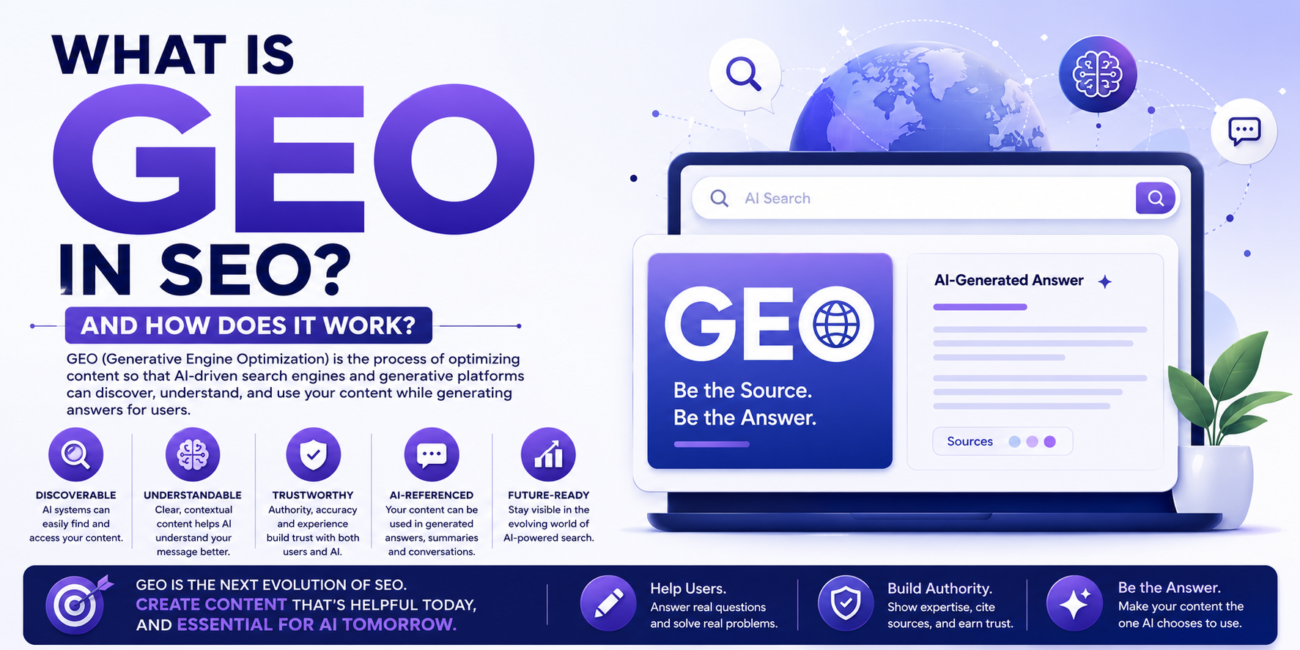
What Is GEO in SEO and How Does It Work?

Search engine optimization (SEO) has evolved far beyond simply ranking web pages on Google. With th...

The Rise of AI in Everyday Life: How It’s Changing the Way We Work, Shop, and Live
Artificial Intelligence (AI) is no longer a futuristic concept—it’s already part of your daily rout...
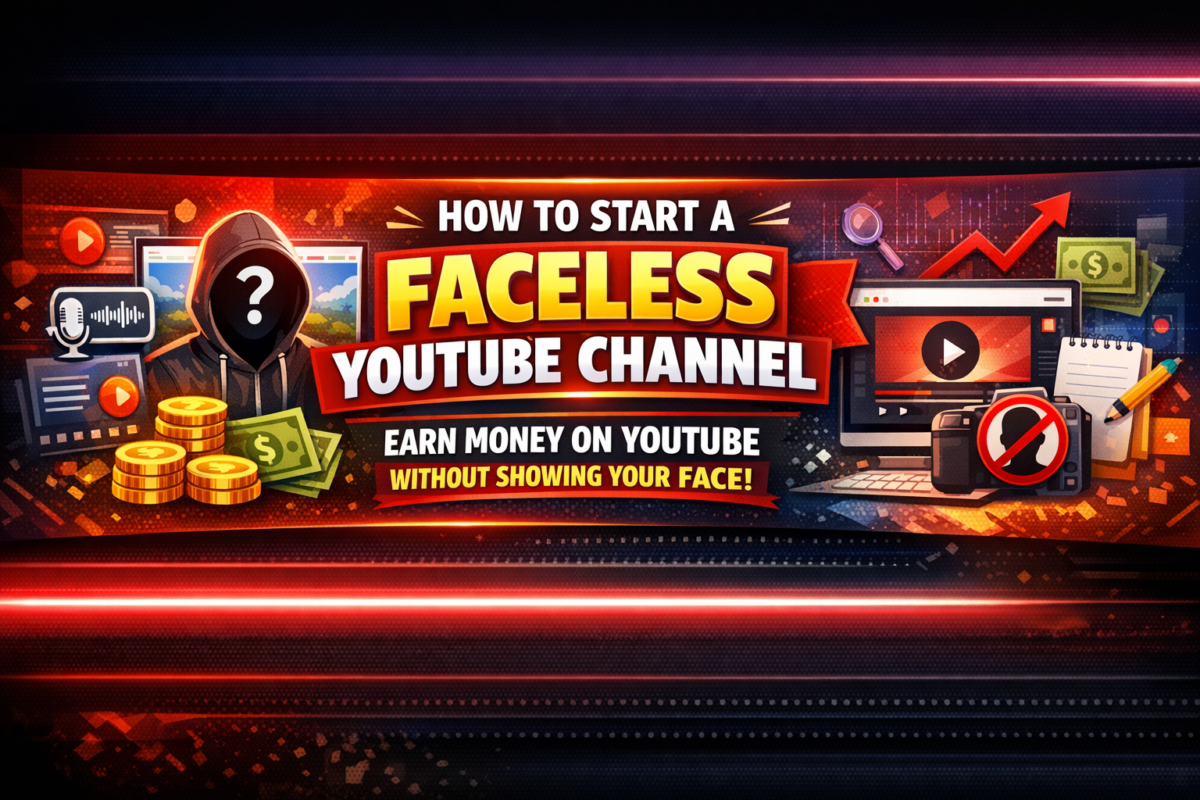
🚀 How to Start a Faceless YouTube Channel (Beginner to Pro Guide)
Starting a faceless YouTube channel is one of the smartest ways to build an online income stream wi...

Get Quality Leads That Actually Convert – Stop Wasting Your Budget!
💡 Introduction
Let’s be honest—getting leads is easy.But getting quality leads? That’s where mos...
How to Get More Followers and Reach on Instagram and Facebook
Let’s be honest — almost everyone who starts an Instagram or Facebook page wants the same thing: mo...

How to Grow Your YouTube Channel (Beginner to Pro Guide)
Growing a YouTube channel today is not just about uploading videos. It’s about strategy, consistenc...

How to Improve Local SEO: Best Practices to Rank Higher in Your City (2026 Guide)
If you run a local business—whether it’s a salon, café, clinic, or retail store—your customers are ...
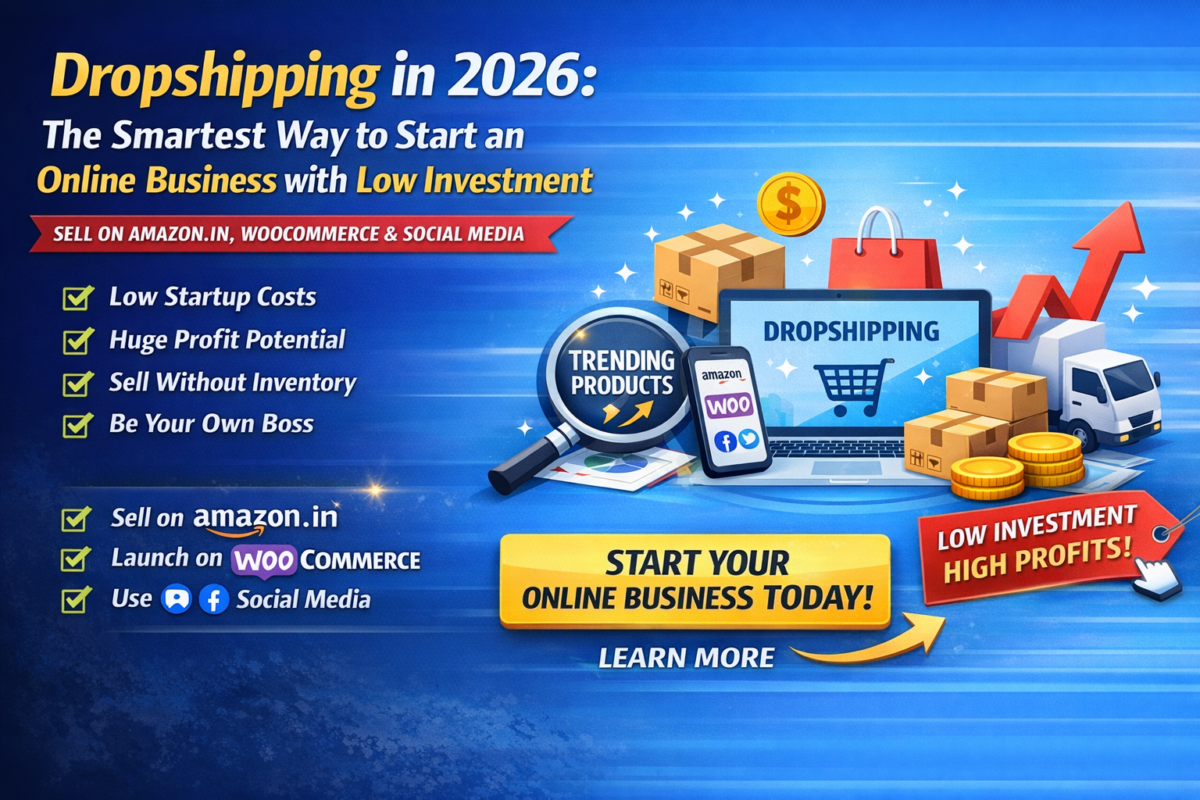
Dropshipping in 2026: The Smartest Way to Start an Online Business with Low Investment
If you want to start an online business but don’t have lakhs to invest in stock, warehouse, or staf...
Now we’re talking. 🔥This is a high-search topic and actually useful — especially if someone wants to start selling on Amazon or ecommerce.
I’ll write this like a proper ranking blog — informative, practical, and based on what people are a...
Online and Offline Marketing Strategies That Actually Work in 2026
Marketing in 2026 is not about choosing online or offline.It’s about using both together—smartly.
...
How Can Digital Marketing Help Small Businesses Grow in 2026?
In 2026, running a small business without digital marketing is like opening a shop but keeping the ...

AI Tools That Save Marketers Hours & Drive Big Results
Marketing doesn’t fail because of bad ideas.It fails because marketers don’t have enough time.
W...