
I’ll write this like a proper ranking blog — informative, practical, and based on what people are actively searching on Google & ChatGPT in 2026.
How to Find the Best Products to Sell on Amazon & Ecommerce in 2026 (Step-by-Step Guide)
Starting an Amazon or ecommerce business is easy.
Choosing the right product?
That’s where most people fail.
In 2026, product research is not guesswork. It’s data-driven. If you know how to read trends, you win. If you copy random “top 10 products” videos, you lose.
Let’s break it down properly.
1. Use Google Trends to Spot Rising Demand
Google Trends is one of the most powerful free tools for product research.

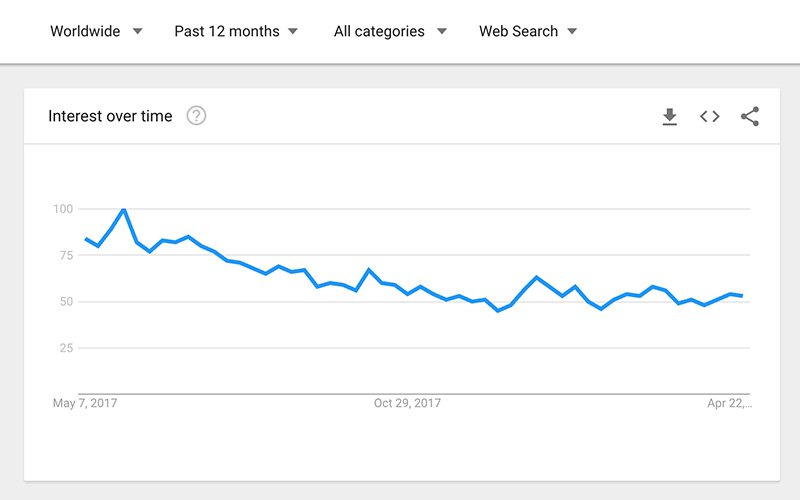
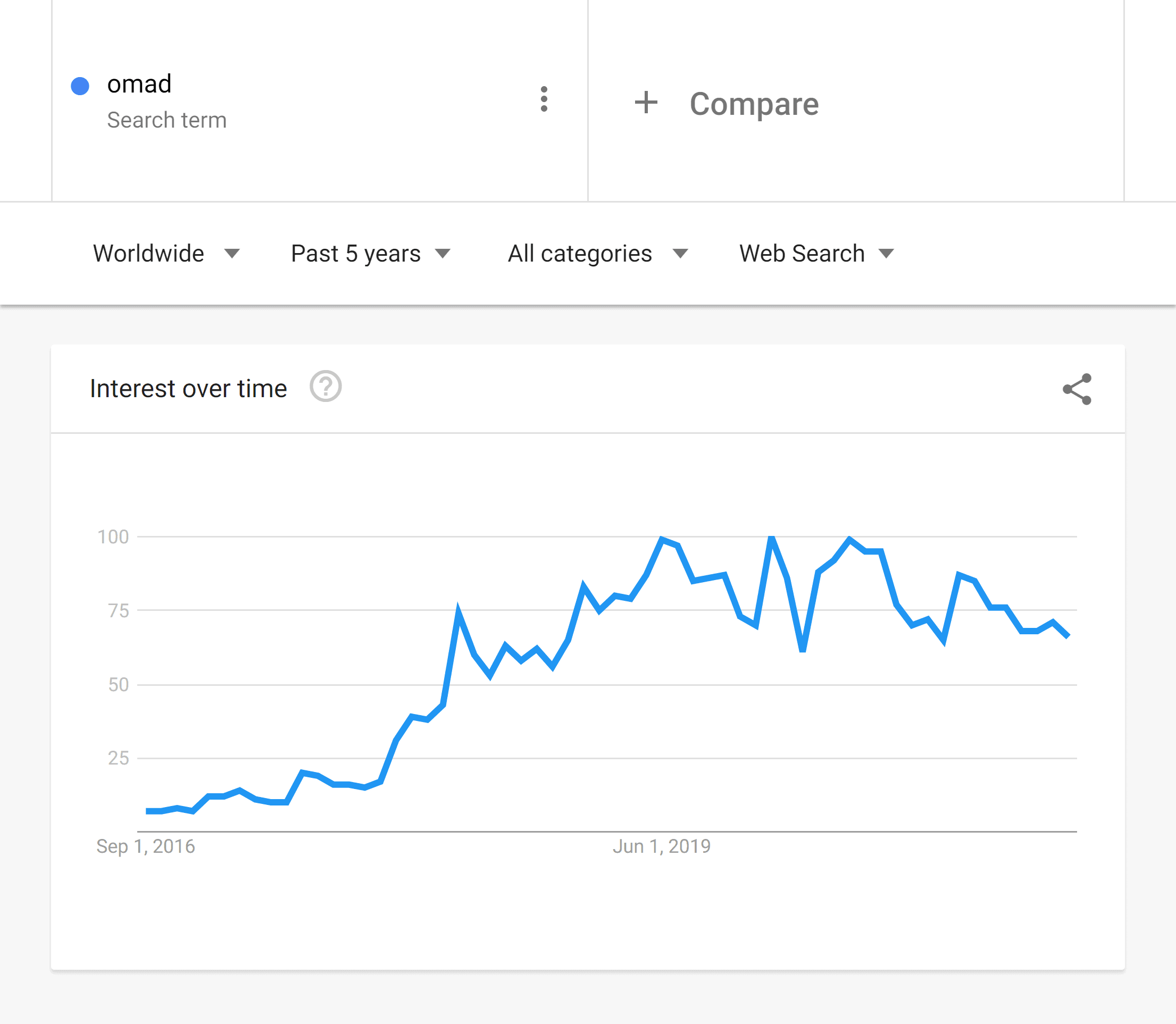
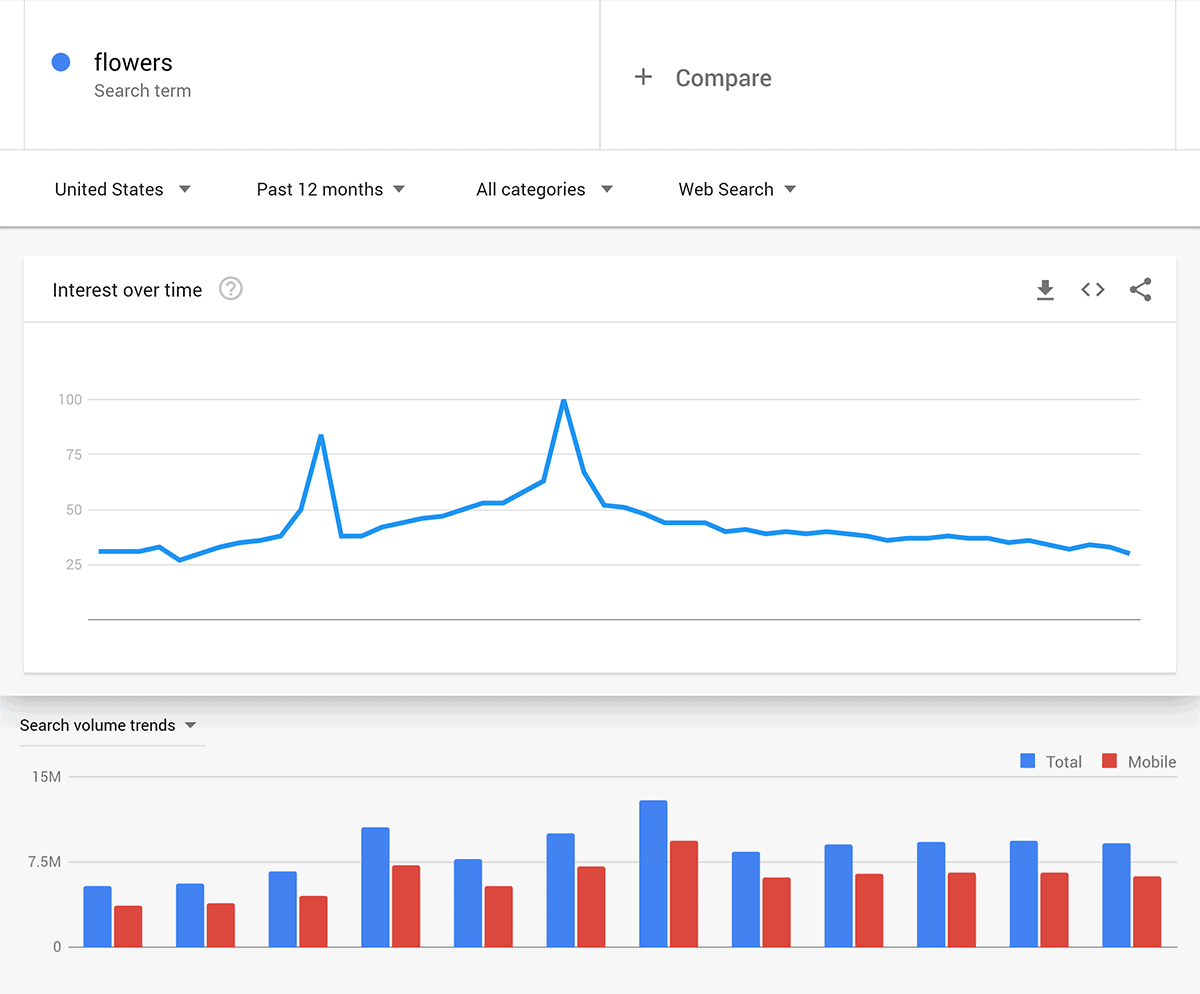
How to use it:
- Search product keywords (example: “portable blender”)
- Check 12-month or 5-year graph
- Look for steady growth (not seasonal spikes)
- Use “Rising Searches” section
💡 Pro tip: If a keyword is growing consistently, demand is increasing.
2. Check Amazon’s Own Data (Best Sellers + Movers & Shakers)
Amazon literally tells you what’s selling.
Use:
- Best Sellers page
- New Releases
- Movers & Shakers
Look for:
- Products under 2000 Best Seller Rank (BSR)
- Products with high demand but average reviews (not 50,000 reviews — that’s hard to compete with)
This shows real buying behavior — not just search interest.
3. Use AI to Analyze Market Gaps
In 2026, smart sellers are using AI tools like:
- ChatGPT
- Helium 10
- Jungle Scout
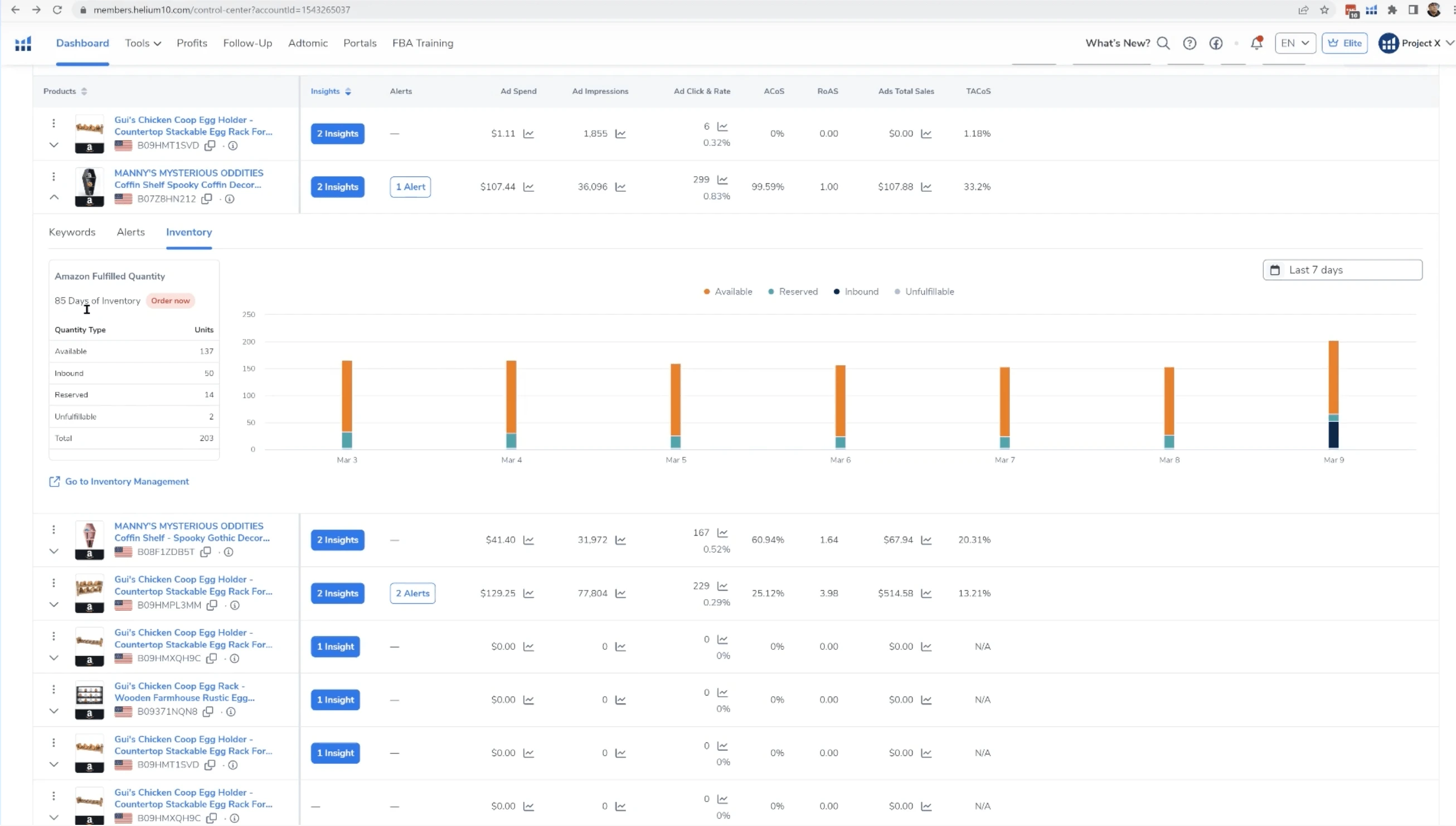
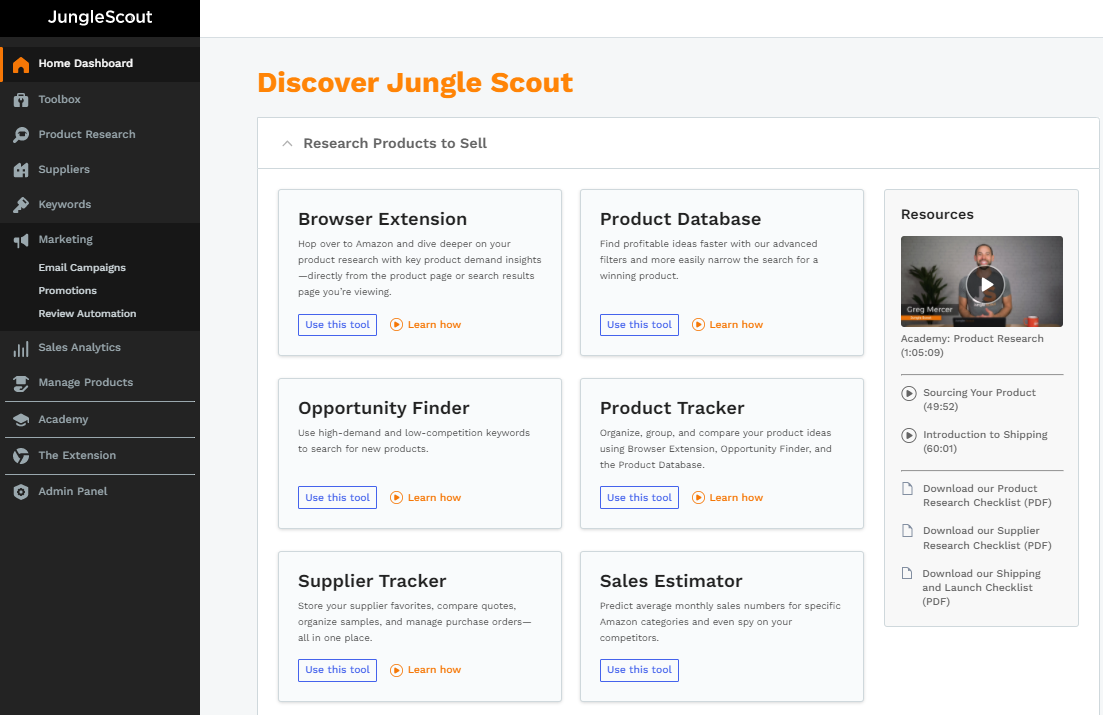
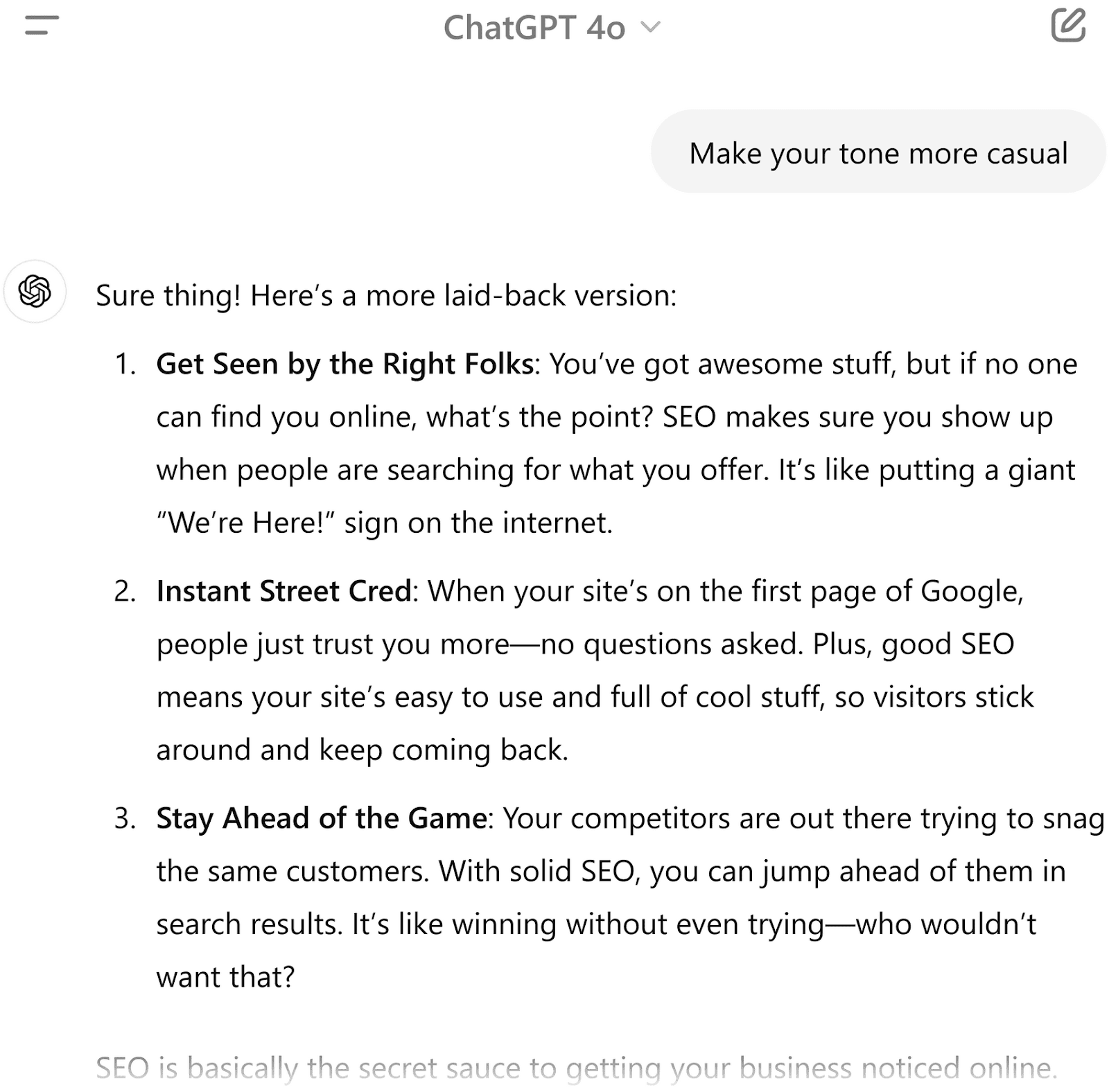

What AI helps with:
- Keyword search volume
- Competition level
- Estimated sales
- Profit margin calculation
- Customer pain point analysis
Instead of randomly picking products, you analyze data.
That’s how serious sellers operate.
4. Look for Problem-Solving Products
Trending products usually:
- Solve a daily problem
- Save time
- Save money
- Improve convenience
Example categories trending in 2026:
- Home organization
- Pet accessories
- Smart gadgets
- Travel essentials
- Fitness & recovery tools
Ask yourself:
👉 Does this product solve a clear problem?
👉 Can I improve the existing version?
If yes — that’s opportunity.
5. Analyze Reviews to Find Hidden Opportunities
Go to any top-selling product.
Read 1-star and 3-star reviews.
This is gold.
Customers tell you:
- What they hate
- What’s missing
- What needs improvement
If you fix those issues in your version, you instantly create a better product.
6. Check Profit Margin Before Getting Excited
Don’t fall in love with a product.
Check:
- Manufacturing cost
- Shipping cost
- Amazon fees
- Ad spend
- Return rate
Ideal:
- At least 30–40% margin
- Lightweight
- Non-breakable
- Non-seasonal (unless you want seasonal business)
Emotion doesn’t build ecommerce. Numbers do.
7. Validate Demand Outside Amazon
Search product keywords on:
- YouTube
- Instagram Reels
- TikTok
If people are:
- Reviewing it
- Comparing it
- Creating content around it
Then it has demand.
If no one is talking about it — that’s a red flag.
What NOT to Do in Product Research
❌ Don’t copy viral TikTok products blindly
❌ Don’t enter saturated markets with 10,000+ reviews
❌ Don’t sell fragile or high-return products
❌ Don’t ignore competition analysis
Smart sellers research.
Average sellers guess.
Final Formula for Finding Winning Products
Trending Demand
- Medium Competition
- Good Margin
- Problem-Solving
- Data Validation
= Winning Product
Simple.
Final Thoughts
In 2026, finding the best product to sell on Amazon is not about luck.
It’s about:
- Data
- Trend analysis
- AI tools
- Smart validation
If you master product research, ecommerce becomes predictable.
And predictable business = scalable business.